
How do you find current market trends?
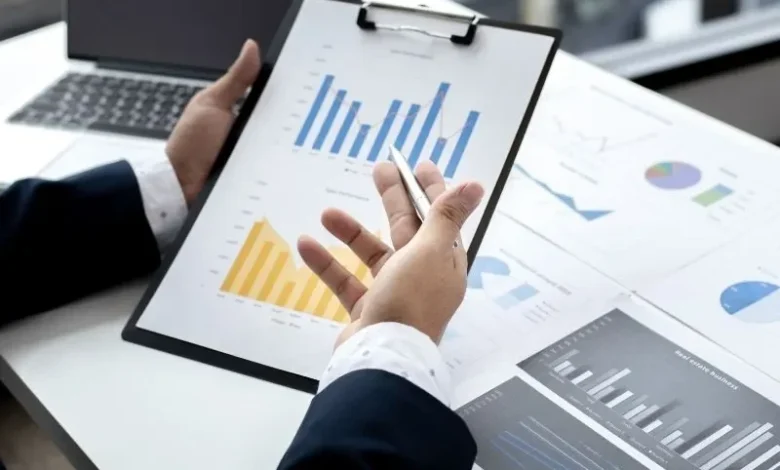
How do you find current market trends?
How Do You Find Current Market Trends?
Understanding current market trends is essential for anyone involved in investing, business planning, or financial analysis. Whether you are a seasoned investor or just starting out, having insights into prevailing market conditions can significantly impact your financial decisions. In this article, we will explore various methods for finding current market trends, how to analyze them, and the tools available to assist you in this endeavor.
What Are Market Trends?
Market trends refer to the general direction in which a market is moving over a particular period. These trends can be upward (bullish), downward (bearish), or sideways (neutral). Identifying these trends allows investors to make more informed decisions regarding buying, selling, or holding their investments. The importance of understanding market trends can be summed up as follows:
- Informed Decision Making: Understanding trends helps investors capitalize on opportunities and avoid potential losses.
- Risk Management: By recognizing changing markets, you can adjust your portfolio to minimize risk.
- Strategic Planning: Businesses can better align their strategies and offerings based on market Demand.
Why Is Tracking Market Trends Important?
Tracking market trends is vital for several reasons:
- Investment Timing: Knowing when to enter or exit a market can make a substantial difference in your investment returns.
- Sector Performance: Certain sectors may outperform others based on current trends, influencing where to allocate resources.
- Consumer Behavior: Understanding trends helps businesses anticipate changes in consumer preferences and adapt accordingly.
Methods for Identifying Current Market Trends
1. Technical Analysis
Technical analysis involves evaluating market trends through historical price and volume data. Here’s how you can use it to identify trends:
- Charts: Use stock charts to visualize price movements and identify patterns over time.
- Indicators: Tools like Moving Averages or the Relative Strength Index (RSI) can signal bullish or bearish trends.
- Volume Analysis: High trading volume during price increases may indicate a strong upward trend.
2. Fundamental Analysis
Fundamental analysis entails evaluating the economic, financial, and other qualitative and quantitative factors to understand the market’s intrinsic value. Consider these approaches:
- Economic Indicators: Keep an eye on indicators such as GDP growth, unemployment rates, and inflation to gauge overall market health.
- Company Performance: Look into earnings reports, revenue growth, and profit margins to assess individual stock trends within a sector.
- Industry News: Follow industry news for insights into how external factors might affect market trends.
3. Sentiment Analysis
Sentiment analysis involves gauging the overall mood of investors or consumers regarding the market. This can be achieved through:
- Surveys and Polls: Tools like the Consumer Confidence Index (CCI) gauge how optimistic or pessimistic consumers feel about the economy.
- Social Media Monitoring: Analyze social media platforms for trending topics and sentiments related to specific stocks or sectors.
- Market News: Pay attention to how financial news platforms report on market conditions, as this can influence investor sentiment.
Where to Find Market Trend Data
1. Online Financial News Platforms
Financial news websites such as Bloomberg, CNBC, and The Wall Street Journal provide up-to-date information on market trends. These platforms often feature:
- Market Reports: Daily market summaries that highlight key movements and overall performance.
- Expert Analysis: Insights from analysts and economists can provide context to market data.
- Live Updates: Real-time updates on stocks, indices, commodities, and currencies.
2. Financial Market Data Websites
Websites like Yahoo Finance, MarketWatch, and Google Finance offer valuable data. They usually include:
- Historical Data: Access to historical prices and other metrics related to specific securities or market indices.
- Technical Indicators: Tools for conducting technical analysis directly on the platform.
- Stock Screeners: Features to help filter and identify stocks based on specific criteria.
3. Investment Research Tools
Utilizing online investment research platforms like Morningstar or Seeking Alpha can also provide deep insights into market trends:
- In-depth Reports: Comprehensive reports covering industry and company analyses.
- Market Trends Reports: Specific reports detailing current trends in various markets.
- Community Insights: Read analyses and opinions from other investors and experts.
Utilizing Social Media for Market Trends
In today’s digital world, social media has become a powerful tool for identifying market trends.
1. Following Influential Financial Figures
Consider following financial analysts and market experts on platforms like Twitter and LinkedIn to gain insights into market sentiment. Look for:
- Market Analysts: Follow those who regularly share their analyses and forecasts.
- Economists: Analysts who provide macroeconomic insights that can influence market trends.
2. Reddit and Investment Forums
Websites like Reddit host active finance communities (e.g., r/stocks or r/investing) where users discuss current trends and share tips. These platforms often feature:
- Real-Time Discussions: Get a pulse on what other investors think about recent market movements.
- Emerging Trends: Users often share insights about stocks or sectors that may not yet be widely covered by mainstream media.
3. Using Hashtags
Search financial topics using specific hashtags on platforms like Twitter and Instagram. Explore:
- #MarketTrends: Discover posts that provide insights and discussions about current market movements.
- #Investing: Find tips, strategies, and individual stories from other investors.
Monitoring Economic Indicators
Understanding economic indicators is essential in assessing market trends. Here are some key indicators to watch:
1. Gross Domestic Product (GDP)
GDP measures a country’s overall economic activity. When GDP grows, it often signals a strong economy, leading to bullish market conditions.
2. Employment Data
Metrics like unemployment rates and job creation figures can provide insights into economic health. Strong employment statistics typically lead to increased consumer spending and economic growth.
3. Inflation Rate
Inflation affects purchasing power and can influence central bank monetary policy. High inflation may lead to interest rate hikes, which can affect stock markets negatively.
Using Market Trends for Investment Strategies
Once you have identified trends, you can adapt your investment strategies accordingly:
1. Trend Following Strategies
Trend following involves investing in assets that are in motion, whether that be up or down. This strategy typically includes:
- Buying on Breakouts: Entering trades when an asset breaks through resistance levels.
- Using Stop-Loss Orders: Protecting your investments by setting predefined stop-loss levels.
2. Contrarian Strategies
Contrarian investing involves going against prevailing market sentiments. This strategy can be effective during:
- Market Overreactions: Buying undervalued assets that are overlooked by the majority.
- Sector Rotation: Shifting investments when certain sectors are predicted to outperform others.
3. Asset Diversification
Diversifying your portfolio across various asset classes can help mitigate risks associated with market trends:
- Stocks: Invest in a mix of growth and value stocks across different sectors.
- Bonds: Consider a range of government and corporate bonds.
- Commodities: Investing in gold, silver, or oil can provide a hedge against market volatility.
Alternative Data Sources for Market Trends
Aside from conventional data sources, consider leveraging alternative datasets to uncover unique market insights:
1. Blockchain Analysis
For cryptocurrency enthusiasts, blockchain data can reveal transaction volumes and network activity, providing insights into market trends.
2. Geolocation Data
Companies can analyze foot traffic in retail to gauge consumer behavior and predict trends in spending.
3. Web and App Traffic
Monitoring web and app usage trends can provide valuable insights for tech investors by highlighting consumer preferences.
Summary of Key Tools and Resources
To effectively monitor and analyze market trends, consider utilizing the following resources:
- Trading Platforms: Utilize platforms such as TD Ameritrade, E*TRADE, or Robinhood for real-time market data.
- Analytical Software: Tools like MetaTrader or TradingView for deeper technical analysis.
- Financial Blogs and Podcasts: Stay updated with the latest insights from trusted sources within the finance community.
By utilizing these strategies and resources, you will be well-equipped to identify and act upon current market trends. Understanding how to interpret and utilize market signals can lead to informed financial decisions and improved investment performance.

Related Articles
Our HOME in English: Smart Finance: Learn, Invest, and Grow

Our Categories:
- 💳 Budgeting & Saving: Comparisons, reviews, and tips to choose the best card for your profile — cashback, travel rewards, no annual fee, and more.
- 🏦 Debt Management: Practical guides and evaluations of digital bank accounts, fees, benefits, and services.
- 📈 Retirement & Planning: Beginner guides, fixed income and variable income options, real estate investment trusts (REITs), and more.
- 🧮 Investing & Wealth Building: Learn to manage your budget, build an emergency fund, and get out of debt.
- 🚗 Credit Card Optimization: Explanations about mortgage, auto, and student loans, with smart money-saving tips.
- 🛡️ Personal Finance for Beginners: Information about the most important types of insurance to protect your family and assets.
- 📊 Financial Tools & Apps: Guidance on tax filing, investment taxation, and fiscal responsibilities.
- 🏖️ Financial Goals & Money Mindset: Tips to plan your retirement with private retirement plans, Social Security benefits, and passive income strategies.

How Do You Find Current Market Trends?
In the ever-evolving world of finance, understanding current market trends is essential for making informed investment decisions. Traders and investors often seek insights into market behaviors, economic indicators, and shifts in consumer sentiment that can significantly influence asset values. By harnessing various tools, resources, and methodologies, anyone can navigate the complexities of financial markets. This guide aims to equip you with practical strategies and valuable resources to stay abreast of current market trends, empowering you to make savvy financial choices.
Conclusion
Staying updated with current market trends is crucial for anyone looking to enhance their financial acumen and investment potential. By utilizing a combination of real-time data, expert analyses, and market-news platforms, you can make well-informed decisions that align with your financial goals. Engaging with diverse resources such as financial news websites, social media platforms, and market analysis tools will provide you with deeper insights. Remember, effective trend analysis not only aids in minimizing risks but also improves the likelihood of maximizing returns. Start exploring these strategies today to take your investments to the next level.
Frequently Asked Questions
1. What are market trends?
Market trends are the general direction and momentum in which the financial markets move, influenced by various factors such as economic indicators, consumer behavior, and geopolitical events.
2. Why are current market trends important?
Understanding current market trends helps investors make informed decisions, manage risks, and capitalize on opportunities in the financial markets.
3. How can I find current market trends?
You can find current market trends by using financial news websites, market analysis tools, social media platforms, and economic indicators data.
4. What resources are best for tracking market trends?
Popular resources include Bloomberg, CNBC, Yahoo Finance, and social media platforms like Twitter and Reddit, which often provide real-time discussions and analysis.
5. How often should I check market trends?
The frequency of checking market trends can vary, but staying updated daily or weekly ensures you don’t miss important shifts and insights.
6. What role do economic indicators play in market trends?
Economic indicators such as GDP, unemployment rates, and inflation levels provide insights into the health of the economy, influencing market trends significantly.
7. Can social media help in tracking market trends?
Yes, platforms like Twitter and LinkedIn often provide real-time insights and discussions that can highlight emerging trends and market sentiments.
8. What tools can I use to analyze market trends?
Analytical tools such as TradingView, MetaTrader, and Bloomberg Terminal offer advanced charting and analysis features to understand market movements better.
9. How do news events impact market trends?
News events can lead to immediate market reactions, as they often affect investor sentiment, leading to bullish or bearish trends.
10. What is technical analysis?
Technical analysis involves examining historical price data and trading volumes to identify patterns and predict future market movements based on past behaviors.
11. How can I identify long-term trends?
Long-term trends can be identified by analyzing historical data over months or years, focusing on fundamental economic indicators and broad market movements.
12. Can I use mobile apps to track trends?
Yes, many finance-related mobile applications, like Robinhood or Webull, offer real-time market data and analytics tools to track current trends on-the-go.
13. What should I do if I notice a negative trend?
If you notice a negative trend, it’s crucial to assess your investment strategy, potentially minimizing exposure or diversifying to reduce risk.
14. How do I know which trends to follow?
Focus on trends aligned with your investment goals, considering factors like market volatility, sector performance, and macroeconomic conditions.
15. Is it necessary to consult a financial advisor for trend analysis?
While not necessary, consulting a financial advisor can provide personalized insights and strategies tailored to your specific financial situation and goals.


