
Is it smarter to finance or pay cash?
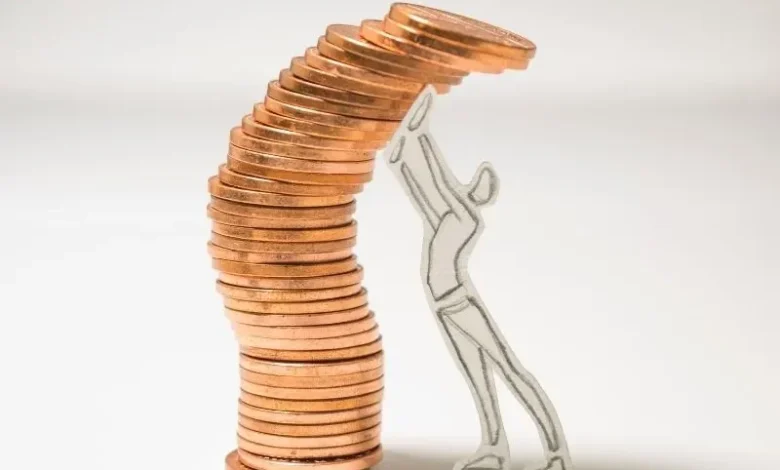
Is it smarter to finance or pay cash?
Are you considering making a large purchase, like a car or a home, and you’re caught between financing and paying cash? This is a common dilemma many face, and it can significantly impact your finances. In this article, we will explore the pros and cons of both financing and paying cash, guide you through key considerations for each option, and help you determine which might be the smarter choice for your unique financial situation.
The Basics: Financing vs. Paying Cash
<pWhen making significant purchases, financing typically means taking out a loan to cover the cost, while paying cash means using your savings or available funds. Both options have distinct advantages that can affect your overall financial health.
Understanding Financing
What Is Financing?
Financing allows you to purchase an item now while paying it off over time through installments. This method usually involves interest and fees, which can add up over the life of the loan.
Pros of Financing
- Higher Purchasing Power: Financing enables you to buy more expensive items than you could if you were to pay cash upfront.
- Improving Credit Score: Responsible financing, such as consistently making loan payments on time, can help improve your credit score.
- Cash Flow Management: Financing can help you preserve your cash reserves for emergencies or investment opportunities.
- Leverage Low-Interest Rates: If you qualify for a low-interest loan, you may pay less in the long run compared to the potential returns on investments made with your cash.
Cons of Financing
- Total Cost: Over time, you may pay significantly more due to interest and fees.
- Debt Accumulation: Taking on debt can lead to financial strain if not managed properly.
- Potential Risks: Financial hardship could arise if your circumstances change, making it difficult to keep up with payments.
Understanding Paying Cash
What It Means to Pay Cash
Paying cash means using your available funds to make a purchase outright, skipping the financing process altogether. This option is usually preferred for individuals who have the necessary funds without compromising their financial health.
Pros of Paying Cash
- No Interest Payments: Paying cash eliminates interest payments, which can save you significant sums over time.
- No Debt: You own the asset outright, which means no debt obligations and no monthly payments.
- Simplicity: The payment process is straightforward; you pay for what you want without the complications of loan agreements.
- Potential Discounts: Some sellers offer discounts for cash purchases, as they avoid processing fees associated with financing.
Cons of Paying Cash
- Reduced Liquidity: Spending a large sum of money depletes your cash reserves, which can impact your ability to cover emergencies or other expenses.
- Opportunity Cost: Using cash for a purchase might prevent you from investing that money elsewhere, potentially losing out on higher returns.
- Financial Flexibility: Without cash reserves, your financial flexibility is limited, which might hinder your ability to seize new opportunities.
Key Considerations for Making Your Decision
To determine whether to finance or pay cash, you need to consider several factors relevant to your financial situation:
Your Financial Health
Evaluate your current financial situation. Do you have sufficient savings that won’t cripple your finances after the purchase? If you can comfortably pay in cash while maintaining an emergency fund, this route may be better for you.
Interest Rates
If financing, how high are the interest rates offered? If you can secure a low-interest rate, financing may be more appealing as it allows you to invest your cash elsewhere. On the other hand, high-interest rates can make financing less attractive, leading you to favor cash payments.
Investment Potential
Consider what you could potentially earn if you invest your cash instead of spending it. If the expected rate of return on your investments exceeds the cost of financing, keeping your cash may be more beneficial.
Future Financial Goals
What are your long-term financial plans? If you foresee major expenses like a home, children’s education, or retirement on the horizon, conserving cash might be crucial.
Real-World Scenarios
Let’s explore some common scenarios that illustrate when it might be better to finance versus when to pay cash:
Buying a Car
When buying a vehicle, consider the following:
- If you can pay cash without depleting your emergency fund, it may be worth it to buy outright.
- If financing offers an attractive low-interest rate, using your cash to invest in a higher-return asset might be smarter.
Purchasing a Home
Buying a home is another significant financial decision:
- Many buyers finance their homes due to the high costs associated. By making a down payment and financing the rest, you keep some cash available.
- If you have enough savings, buying a home without a mortgage can minimize long-term financial strain and interest payments.
Investing in Education
Investing in education can return significant dividends in the long run:
- Paying in cash for education can eliminate the worry of student debt, allowing quicker financial freedom post-grad.
- However, low-interest student loans may be a preferred option if it gives you flexibility in cash flow.
Conclusion
Deciding whether to finance a purchase or pay cash depends on your individual financial circumstances, priorities, and goals. Assessing the pros and cons of each approach can help you make an informed decision that aligns with your long-term financial plan. Remember to consider your liquidity needs, potential investment returns, and the overall impact on your financial health before making a choice. Understanding this balance will empower you to make smarter financial decisions now and in the future.

Related Articles
Our HOME in English: Smart Finance: Learn, Invest, and Grow

Our Categories:
- 💳 Budgeting & Saving: Comparisons, reviews, and tips to choose the best card for your profile — cashback, travel rewards, no annual fee, and more.
- 🏦 Debt Management: Practical guides and evaluations of digital bank accounts, fees, benefits, and services.
- 📈 Retirement & Planning: Beginner guides, fixed income and variable income options, real estate investment trusts (REITs), and more.
- 🧮 Investing & Wealth Building: Learn to manage your budget, build an emergency fund, and get out of debt.
- 🚗 Credit Card Optimization: Explanations about mortgage, auto, and student loans, with smart money-saving tips.
- 🛡️ Personal Finance for Beginners: Information about the most important types of insurance to protect your family and assets.
- 📊 Financial Tools & Apps: Guidance on tax filing, investment taxation, and fiscal responsibilities.
- 🏖️ Financial Goals & Money Mindset: Tips to plan your retirement with private retirement plans, Social Security benefits, and passive income strategies.

Is It Smarter to Finance or Pay Cash?
Deciding whether to finance a purchase or pay cash can be a pivotal moment for many Americans. In today’s financial landscape, understanding the benefits and drawbacks of each option is crucial. While paying with cash can often feel secure and straightforward, financing can free up cash flow for other investments or expenses. Additionally, financing can sometimes build credit history, which is essential for larger future purchases. Balancing your immediate financial health with long-term goals is key when making this important decision.
Conclusion
In summary, whether to finance or pay cash ultimately depends on your individual financial situation and goals. If you can afford to pay cash without sacrificing your emergency fund and you’re seeking peace of mind, that might be the best route. Conversely, if you’re looking to preserve cash for other investments or build credit, financing may offer attractive benefits. Carefully evaluate interest rates, loan terms, and your overall financial strategy before making a decision. Knowing your options empowers you to choose wisely and stay financially healthy.
FAQ
1. What are the benefits of paying cash?
Paying cash can help avoid interest payments, simplify budgeting, and keep you debt-free. It also gives you strong negotiating power when purchasing.
2. What are the advantages of financing?
Financing allows you to preserve cash for investments or emergencies and can help build your credit history, which is beneficial for future loans.
3. How does financing impact my credit score?
Consistent, timely payments on a financed loan can improve your credit score, while missed payments can harm it.
4. What types of purchases should I finance?
Consider financing larger expenses like cars or homes, where interest rates can be low, and paying cash would limit your liquidity.
5. Are there any risks to financing?
Yes, financing can lead to debt if not managed properly. High-interest rates can increase the total cost of the purchase.
6. Should I ever finance a small purchase?
Financing small purchases can be costly due to interest, so it’s generally smarter to pay cash unless there’s a promotional zero-interest offer.
7. How can I negotiate better financing terms?
Improve your negotiating position by checking your credit score beforehand, shopping around, and considering multiple lenders to find the best terms.
8. Is it better to finance through a dealer or a bank?
Dealers may offer financing promotions but often at higher rates. Compare offers from both before making a decision.
9. What is a good interest rate for financing?
A good rate varies, but anything under 4% is considered favorable for auto loans, while mortgage rates can fluctuate significantly.
10. Can paying cash affect my financial future?
Yes, while it offers immediate peace of mind, paying cash can also deplete savings, affecting your ability to manage unexpected expenses.
11. Is it better to finance at a low interest rate?
Yes, a low-interest rate means less money spent over time, making financing more attractive than paying cash in certain scenarios.
12. What is the emotional benefit of paying cash?
Paying cash can provide a sense of security and accomplishment, as it eliminates debt and offers peace of mind.
13. How can I determine if I should finance or pay cash?
Assess your financial health, consider your savings, emergency funds, and whether preserving cash for other investments is a priority.
14. What is the impact of inflation on financing versus cash?
If inflation is rising, paying cash today may be wiser, as it could protect your purchasing power for longer-term investments.
15. Can I finance a used car?
Absolutely! Many lenders offer financing for used cars, often with lower interest rates than new car financing. Shop around for the best deals.


